

WHAT WE DO
Biodiversity
Protecting and understanding the rich variety of wildlife that depends on the River Foss
A Living River Corridor
From its rural beginnings to its journey through York, the River Foss provides an important corridor for wildlife. Its waters, banks, trees, plants and surrounding habitats support a diverse range of species.
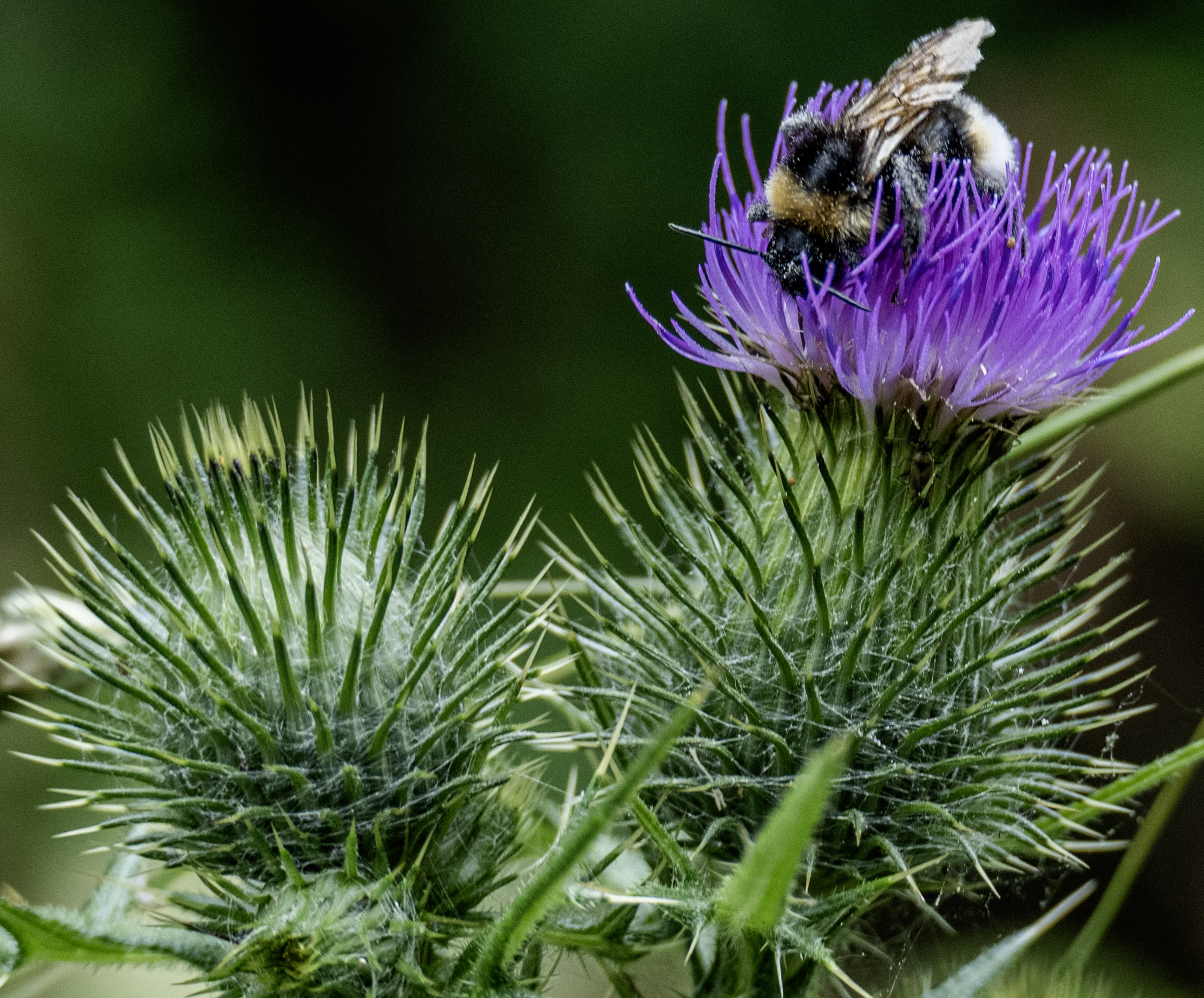
Birds, bats, fish, mammals, aquatic invertebrates, dragonflies, damselflies and a wealth of plant life can all be found along the Foss. Understanding what lives here — and how those populations change — helps us recognise the importance of protecting and improving the river's habitats.
Understanding and Protecting Wildlife
The River Foss Society has a long-standing interest in the natural environment of the river. Our activities include wildlife observations and surveys, monitoring species and habitats and supporting practical work that benefits biodiversity.
The Society has also worked with other environmental organisations and specialist ecologists to study the changing biodiversity of the Foss, including its plants, vertebrates and invertebrates. This knowledge helps build a better understanding of the river as a complete ecosystem rather than simply a channel of water.
At a Glance
- Wildlife and habitat monitoring
- Birds, mammals, fish and invertebrates
- Plant life along the river corridor
- Protecting habitats for the future
- Citizen science and specialist surveys
Exploring Life Along the Foss

Wildlife
Discover the species that call the Foss home
From birds and bats to Water Voles, fish and aquatic insects, the river supports wildlife both above and below the water.
Like the UK’s overall biodiversity, that of the River Foss has diminished over the past 60 years but there are reasons to be positive.
Otters have returned to the river whilst numbers of Mink in the lower and middle reaches have reduced, but we do see evidence of their feeding activities in the headwaters. Water Vole numbers are improving slowly within parts of the catchment, helped by the reduction in Mink and also less removal of bankside vegetation.
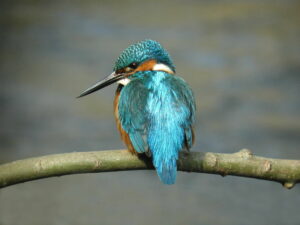
Along with the usual range of the more common birds to be found along rivers, Kingfishers are present on both the middle reaches of the Foss and within the city and Little Egrets and Dippers are now a regular sight.
 Chub, Dace, Roach, Gudgeon, Bream, Pike and the introduced Barbel are the predominant larger fish species present. Stone Loach, Sticklebacks and Minnows are often caught whilst sampling, with Bullhead in the upper reaches.
Current data show the Foss’ aquatic macroinvertebrate communities are characterised by taxa tolerant of slow-moving, silty and nutrient-enriched water though more sensitive groups like some of the mayflies, caddisflies and the occasional stonefly, found primarily in the headwaters are also, occasionally, found in the middle reaches. This suggests the overall aquatic biodiversity of the Foss is capable of recovery if water and habitat quality can be improved which in turn will increase the numbers of fish, birds and mammals living within and around the river.
Plants & Habitats
Protect the places wildlife depends upon
Riverbanks, trees, aquatic vegetation and surrounding green spaces provide food, shelter and important connections between habitats.
The river’s plant life is poorer since 1970s' surveys and the floodplain wetlands have also largely disappeared since then. Species abundance has continued to decline since the 1990s with wetland plants lost from the river margins. Along the middle and lower reaches, False Oat grassland, common on fertile ungrazed habitats and characteristic of verges and field margins is the predominant bankside vegetation. But there are patches of more diverse, flower-rich grassland in places.
The river's natural characteristics have been greatly altered over time by channel modification and the impacts of arable farming. These may have caused excessive nutrient loads, possibly the main driver of declining plant diversity although the loss of the floodplain habitats is an important factor.
The positives are that over the past 30 years, native trees have been planted and small nature reserves developed along the banks of the Foss. Also Yorkshire Wildlife Trust’s Foss Catchment Project is a “partnership project with the long-term aims of improving water quality by reducing the amount of sediment and pollution entering the watercourse, as well as mitigating flood risk throughout the Foss catchment and improving habitat for the River Foss wildlife”. All details can be found here: Foss Catchment Project | Yorkshire Wildlife Trust
St Nicks Green Corridors project strives for more joined up, bigger and better green spaces in York’s urban landscape, which includes two of the Foss’ major tributaries, Tang Hall and Osbaldwick Becks. Connecting fragments of green space with the aim of linking access to habitats and therefore reducing the isolation of wildlife populations is now being extended to the Foss catchment, already an important wildlife corridor but with room for improvement. More information here: St Nicks - Green Corridors York; How it came to be

Observe & Record
Help us understand a changing river
Wildlife observations and surveys build our knowledge of the Foss and can help reveal changes in species and habitats over time.
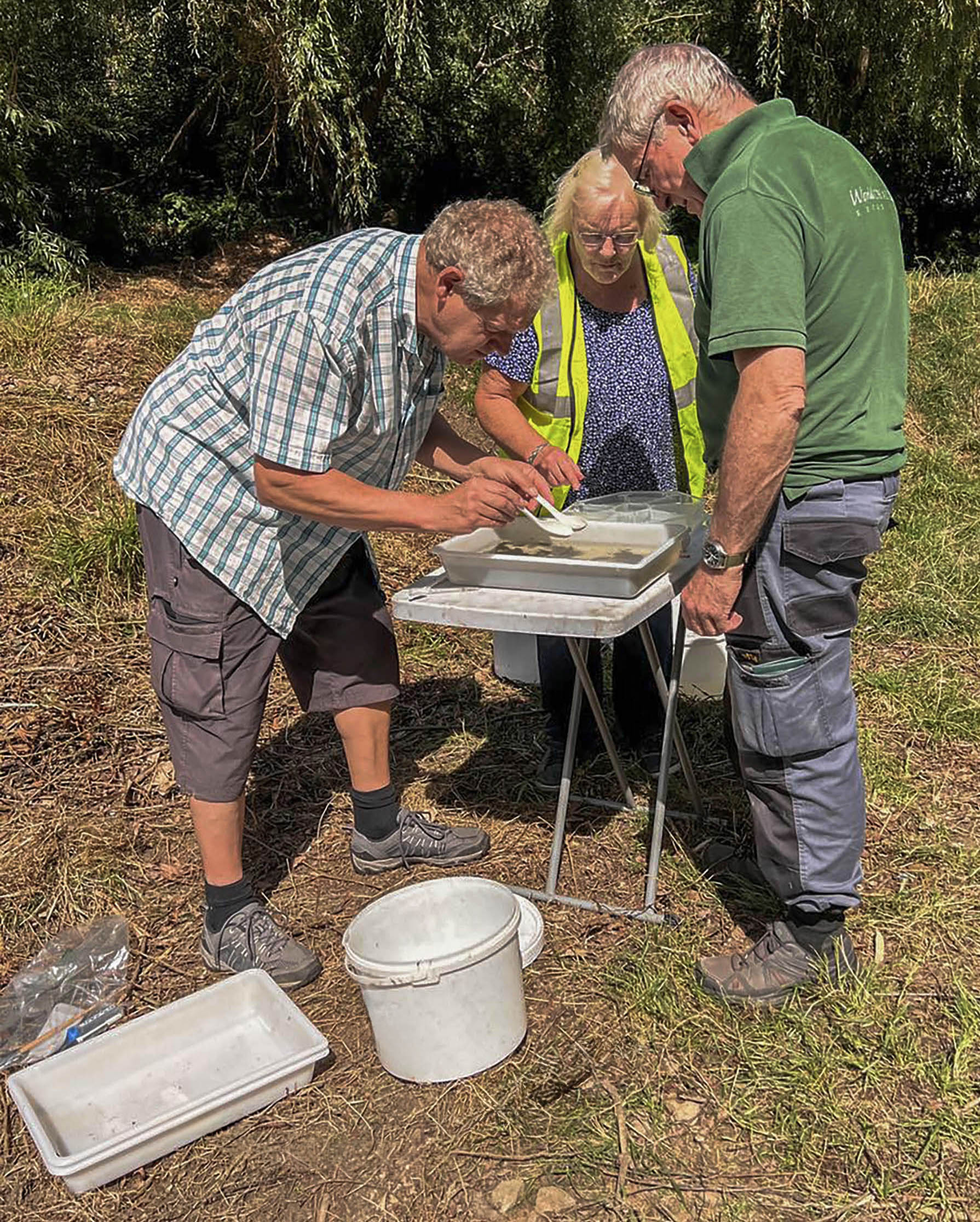
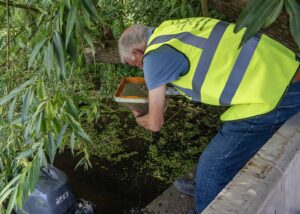
We have been regularly monitoring the chemical quality of the river since 2017 and the biological quality since 2022 and this work will hopefully continue into the future allowing us to record any improvements in the river’s health. Members of the Society are welcome to be trained as citizen scientists to take part in this work.
Managing the bankside vegetation such as removal of the invasive non-native Himalayan Balsam is ongoing annually, again volunteers always welcome. Trying the removal of Nettles in small areas to allow native wildflowers to flourish has also been carried out and maybe looked at again - with volunteer help.
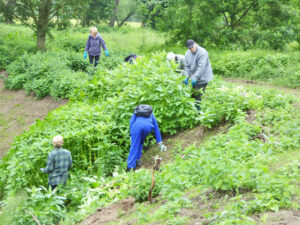
Balsam bashing volunteers
We would love to hear from anyone who has the appropriate knowledge and expertise to survey sections of the river for us, on a volunteer basis, recording the plant life growing along the banks or within the river and the birds, mammals, fungi, etc seen. All such surveys help us to develop a picture of the Foss Catchment’s biodiversity and, hopefully, see some improvements over time.
Help Protect Life Along the Foss
Whether you are an experienced naturalist or simply enjoy spotting wildlife, there are opportunities to learn more, share observations and help us understand and protect the river's biodiversity.