

WHAT WE DO
Biology
Using the small creatures living in the Foss to help reveal the biological health of the river.
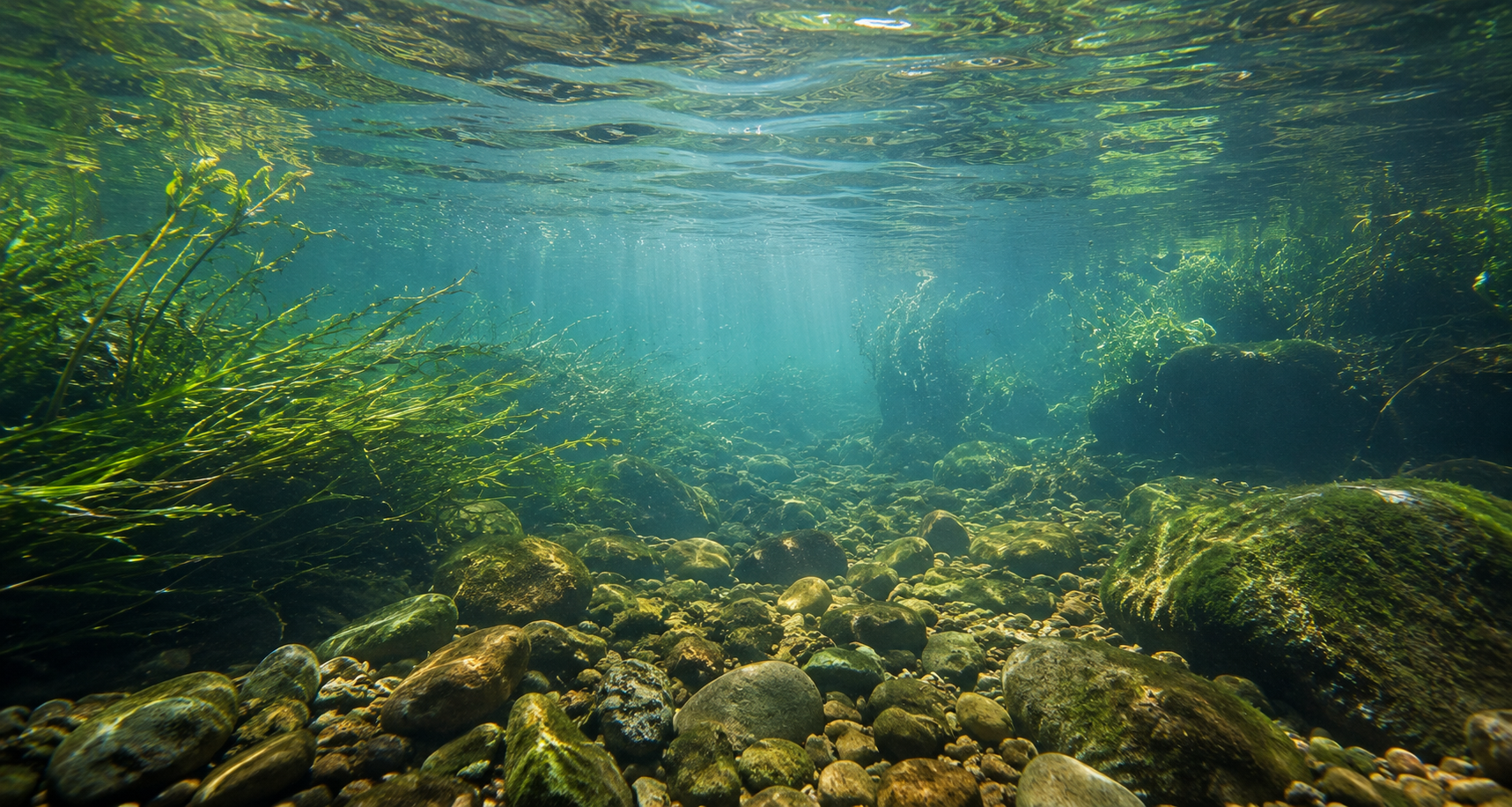
Life Beneath the Surface
The creatures living on the riverbed can tell us a great deal about the health of the River Foss. Our trained citizen scientists carry out biological monitoring using kick sampling at sites along the river and some of its tributaries.
We collect aquatic macroinvertebrates — small animals without backbones such as freshwater shrimps, snails and the larvae and nymphs of aquatic insects. Because different species have different tolerances to pollution, the community we find provides a valuable indication of the biological quality of the water.
Small Creatures, Important Information
Biological monitoring complements chemical water testing. While a water sample records conditions at a particular moment, the animals living in the river have been exposed to those conditions over a much longer period.
Our teams use professional sampling techniques, sorting, identifying and recording the animals they find. Biological indices are then calculated to help assess the health of the river and identify changes that may need further investigation.
At a Glance
- Monitoring from spring to autumn
- Sites across the Foss catchment
- Professional kick-sampling methods
- Macroinvertebrates identified and recorded
- Biological health assessed over time
How Biological Monitoring Works
Kick Sampling
Discover what lives beneath the water
We use professional kick-sampling methodology for collecting macroinvertebrates at most of the sites. This involves placing a fine-mesh net on the riverbed, facing upstream, vigorously agitating the riverbed by foot for three minutes immediately upstream of the net so the water flow washes the animals downstream into the net. Sampling is done across all micro-habitats in the river (riffles, vegetation, silt by the banks, etc), in the set-time, to ensure a representative sample. Large stones, etc are then carefully washed by hand, for one minute, in front of the net and the whole sample is then rinsed of silt and put into a bucket prior to sorting.
Where kick-sampling is not appropriate due to depth of water, deep silt or overgrown vegetation, sweep-sampling is used.
Identify & Record
Look closely at what we find
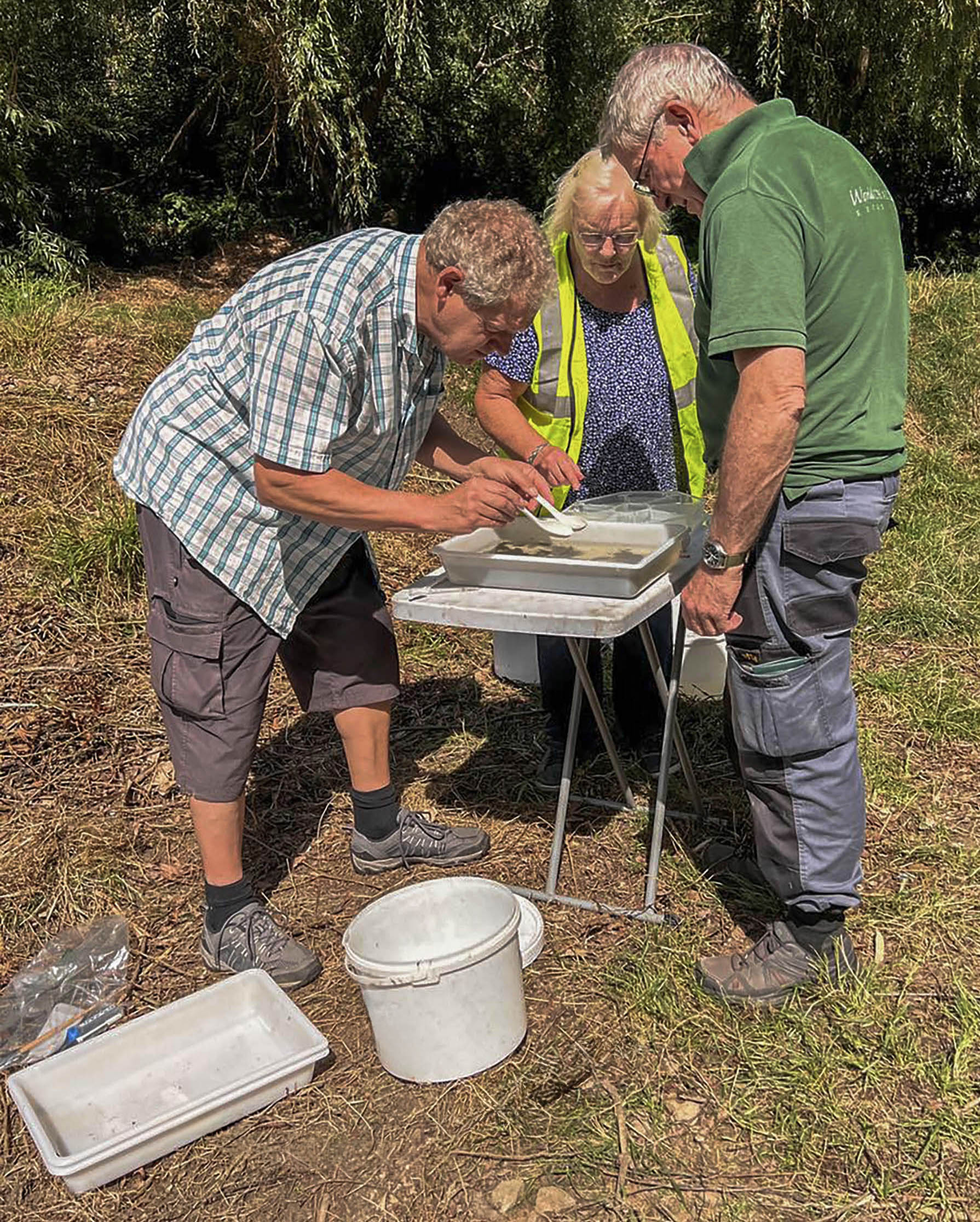
The sample is usually poured into two trays for ease of sorting. Using a pipette, perforated spoon or paintbrush, the animals are transferred into a sectional tray ready for identifying and counting.
Any animals not identified can be photographed or preserved in dilute alcohol and emailed or given to Barbara for identification.
The taxa found are recorded on a sample recording form, which lists the 30 taxa and their scores in relation to their tolerance of or sensitivity to pollution. We use the scores to calculate the two professional indices which provide the indication of biological water quality.

Assess River Health
Turn observations into evidence
Monitoring macroinvertebrate populations along the river’s course and in some of the tributaries and using two simple biological indices, we can assess the health of the Foss and potentially identify areas where pollution might be entering the river. We have over 20 kick-sampling sites within the Foss catchment, the monitoring having started in 2022 to gain some idea of the biological health of the river. We now have good baseline data that we intend to build on in coming years with ongoing and regular sampling. Our results are forwarded to the relevant local Environment Agency office at the end of each year.
Become a Citizen Scientist
Help us discover what lives beneath the surface and contribute to our understanding of the biological health of the River Foss. Training is provided for volunteers who would like to become involved.